Festival 20·21

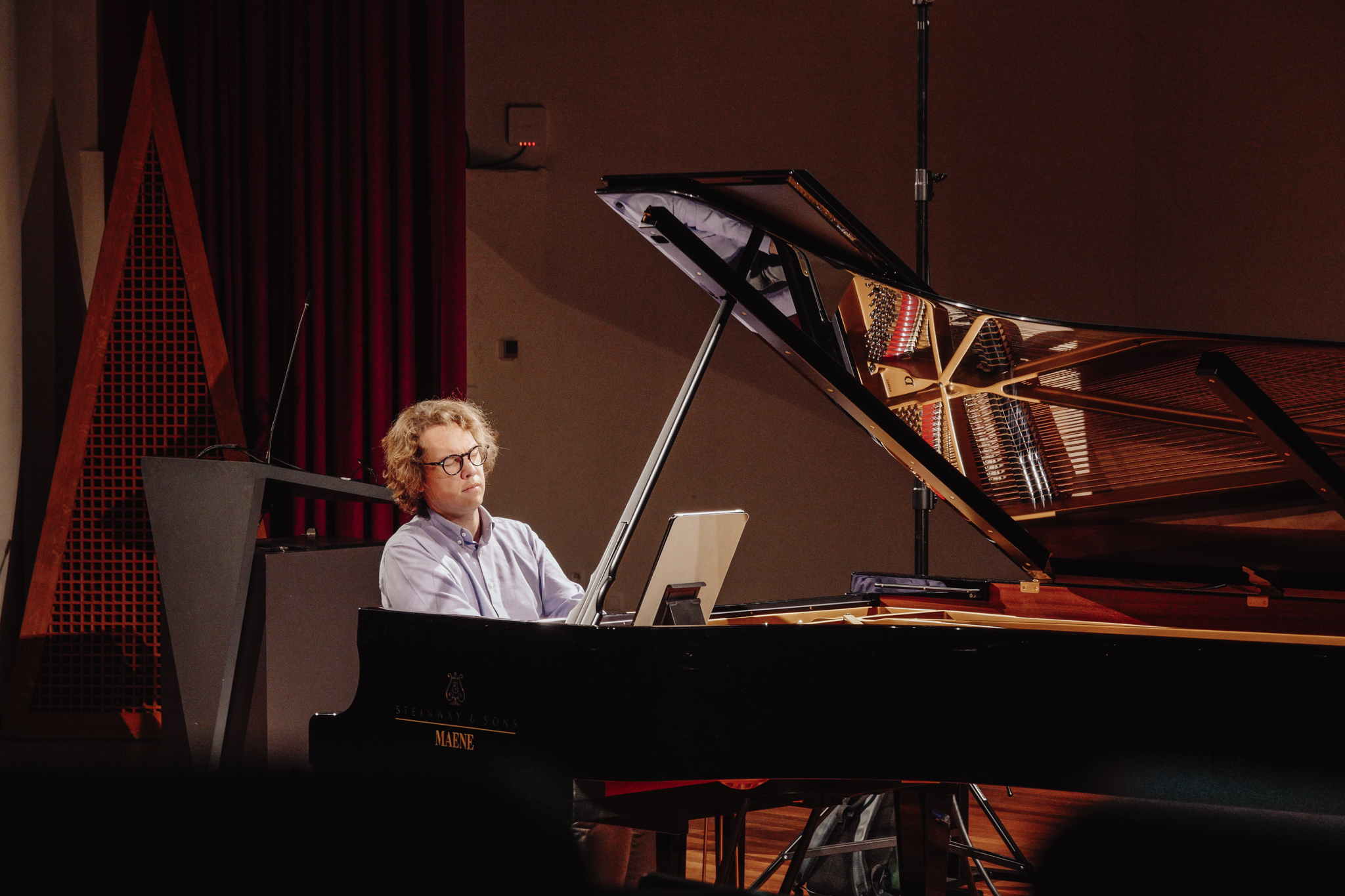
Festival 20·21 is Leuven’s yearly hotspot for classical music of the 20th and 21st centuries. Here, open ears may enjoy repertoire to be (re)discovered and musical insider tips, or, during the three days of Transit, may embrace the many surprises of exhilarating contemporary premieres.
NEWS

Opening concert 2026: Against the war
I SOLISTI and the fantastic CHORWERK RUHR are joining forces for the opening concert on 21 September 2026
Aganist the War was specially commissioned for and by Festival 20·21 and will subsequently tour to Gent, Antwerp, Bochum, Dessau and the prestigious Pierre Boulez Saal in Berlin. Featuring works by Igor Stravinsky, Arnold Schoenberg, Kurt Weill, Hanns Eisler...

Ticket Sales Start
Friday 12 June 10:00

Debuutconcert van een gloednieuw strijkkwartet
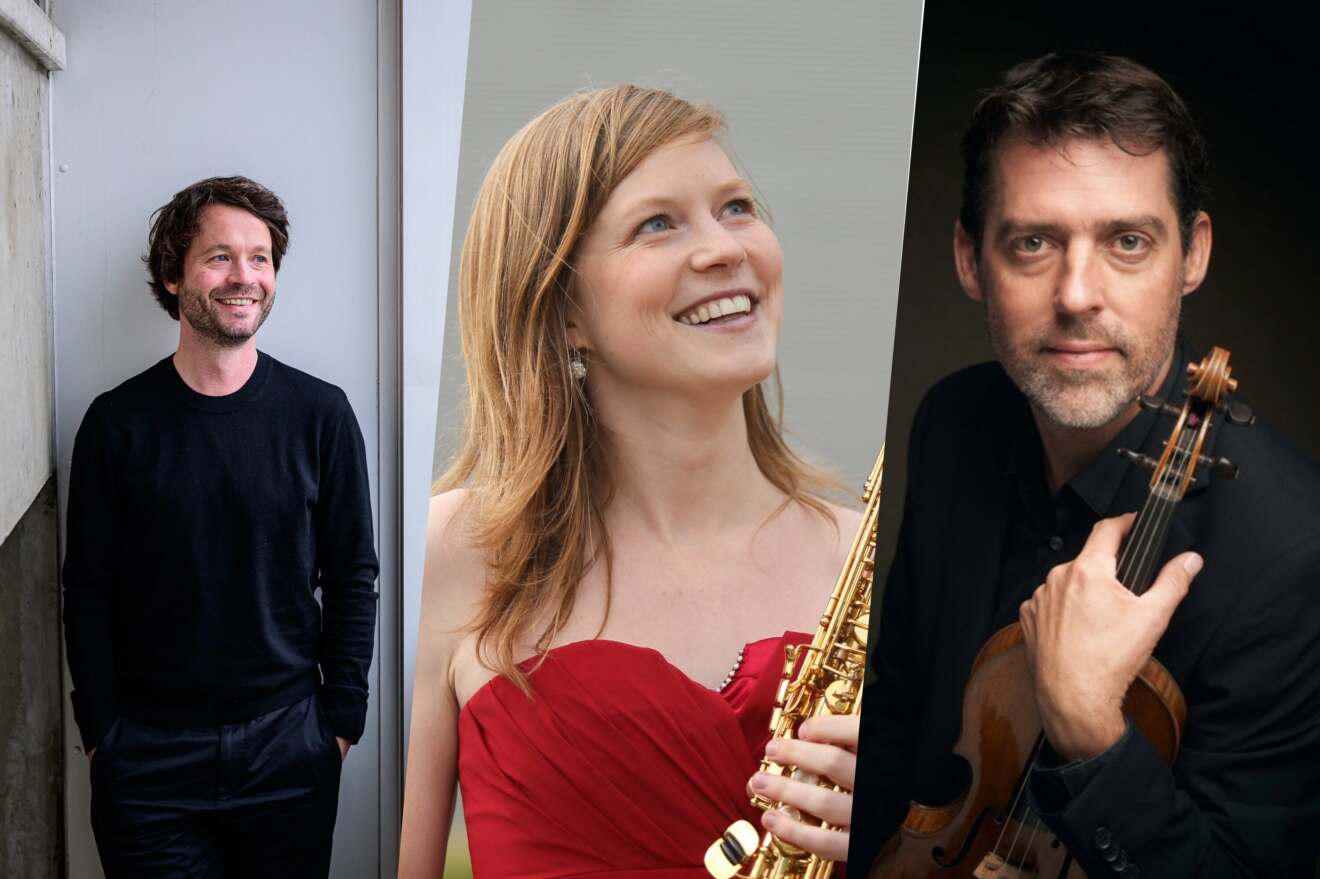
‘Bowmore’ is niet alleen de naam van een uitstekende single malt whisky of van een werk van Luc Brewaeys, het is sinds kort ook de naam van nieuw strijkkwartet. Met topmusici Pieter Jansen, Veronique De Raedemaeker, Tony Nys en Francis Mourey. Met Belgisch werk van Luc Brewaeys, Come fiume, Annelies Van Parys en Philippe Boesmans.
Ontdek de drijfveren van de Editie 2026 met Pieter Bergé en Maarten Beirens
Programme

CHORWERK RUHR, I SOLISTI, Yuval Weinberg, Lore Binon, Jan Michiels, Shirly Laub, Benjamin Dieltjens


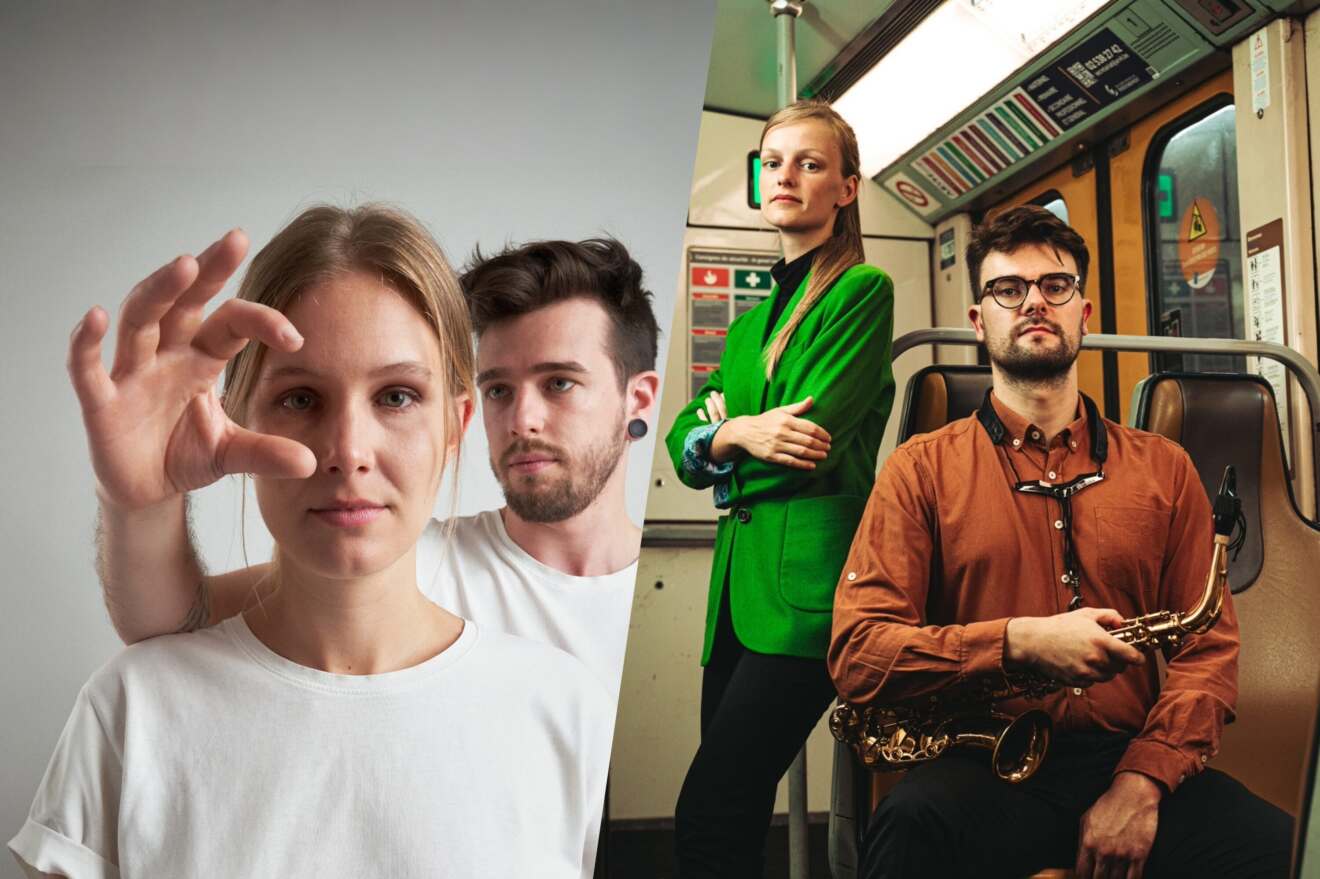
Jan Michiels & Inge Spinette


SLAC, Boho Strings Antwerp o.l.v. David Ramael, Tony Nys


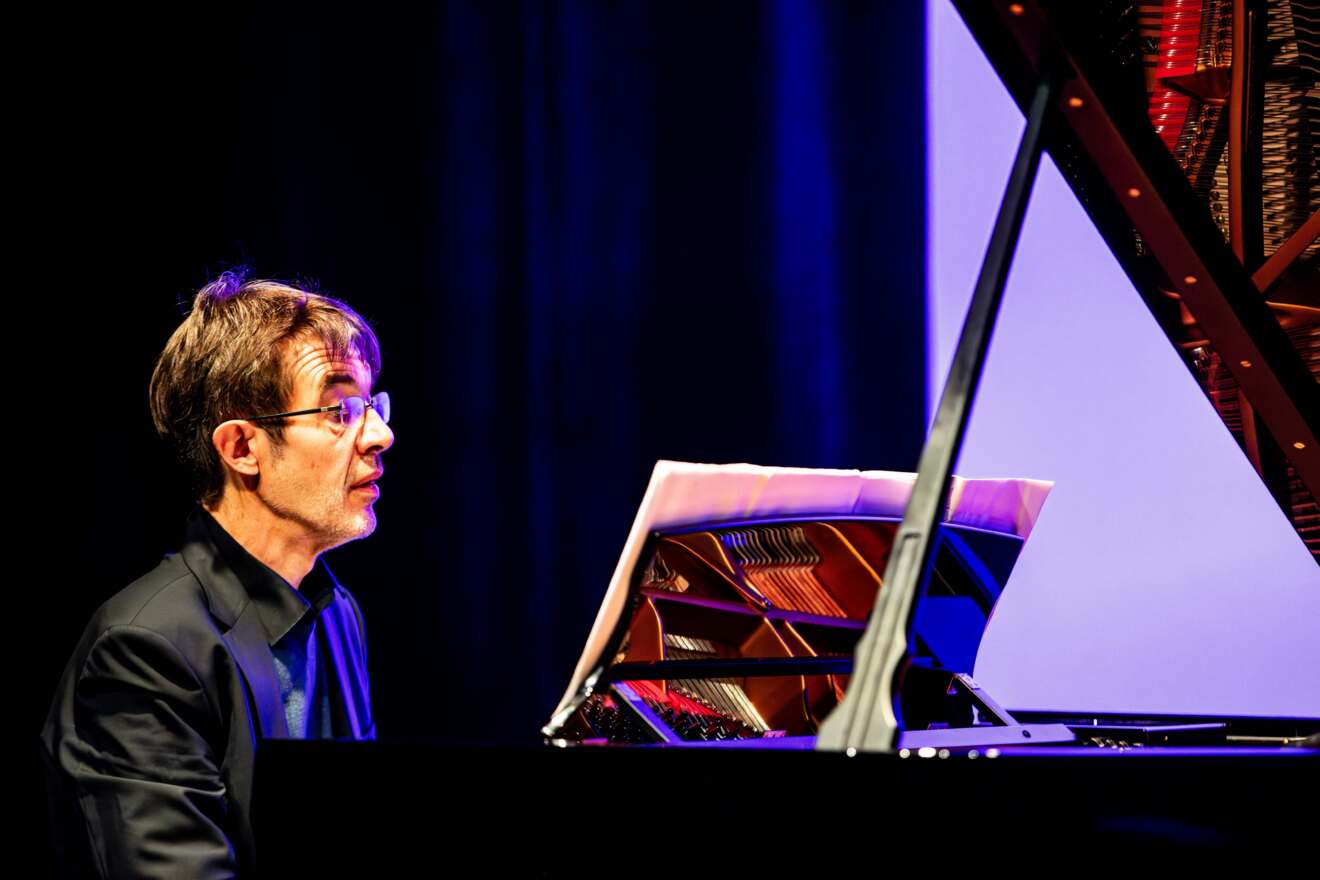

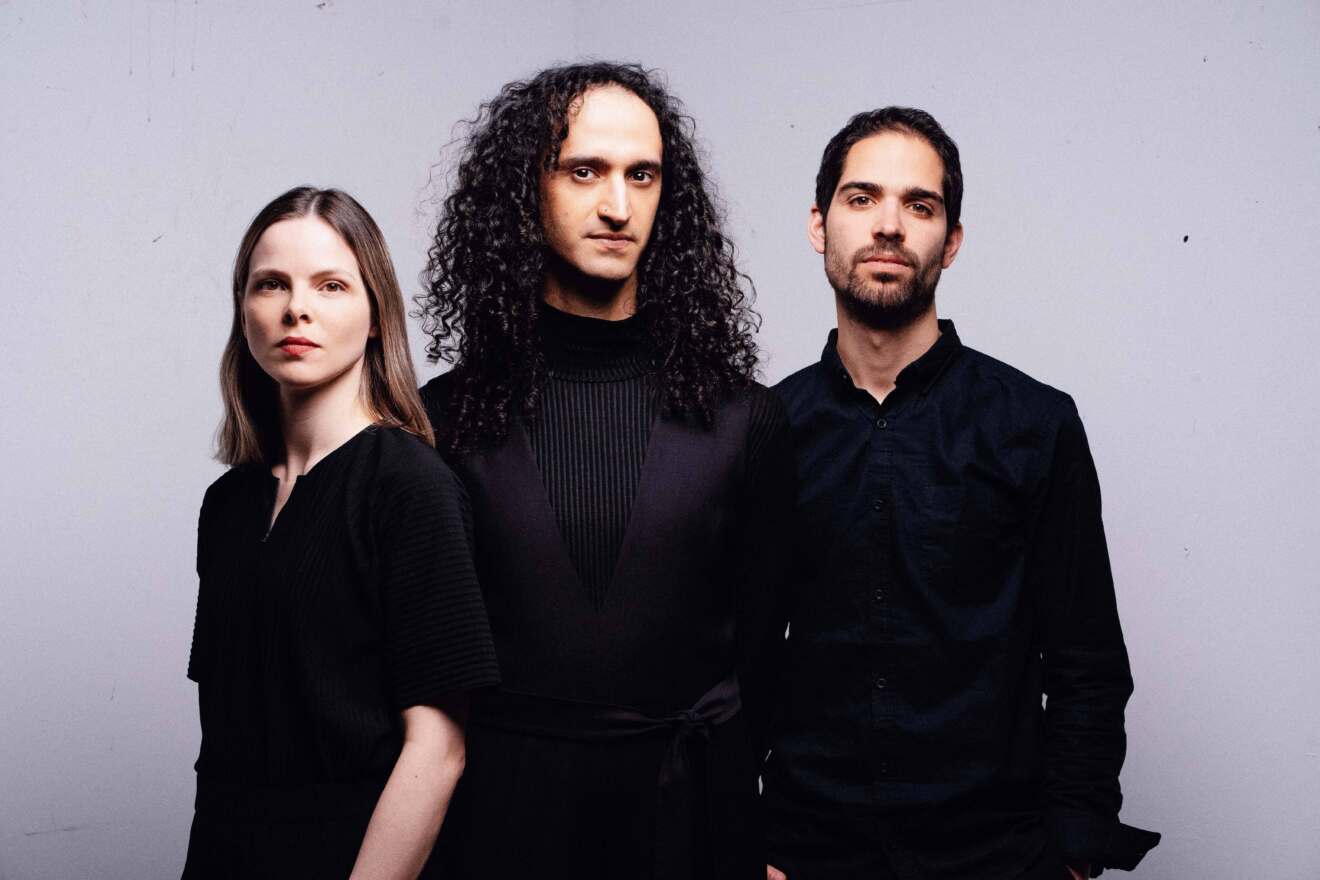
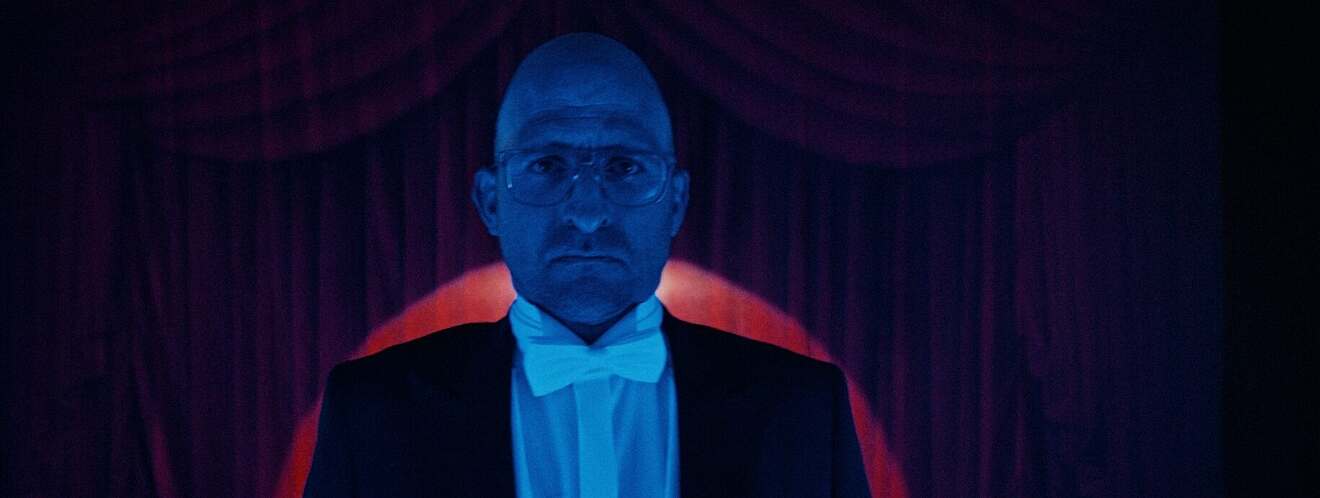

Against the War: aangrijpend, rauw en hoopvol
Against the War is een aangrijpende vierluik legt de rauwe realiteit van oorlog bloot en stelt tegelijk de vraag wat vrede vandaag nog kan betekenen. Van Stravinsky’s L’Histoire du soldat tot Weill en Brechts nietsontziende Berliner Requiem, en verder naar de verstilde hoop van Schönbergs Friede auf Erden: deze productie raakt aan de kern van wat ons vandaag bezighoudt. I SOLISTI deelt voor het eerst het podium met het internationaal gerenommeerde Duitse koor CHORWERK RUHR o.l.v. Yuval Weinberg. Deze grootschalige productie is in 2026 te zien in Leuven Festival 20-21, Gent Festival, DE SINGEL in Antwerpen, in de Boulezzaal in Berlijn, tijdens het Kurt Weill Festival in Dessau en in Bochum (Ruhr).
SIGN O’ THE TIMES

The idea that music is supposed to tell us something about the spirit of the age in which it was written is of course a cliché. After all, music is universal, meant to endure for eternity, isn’t it? Although there’s something to be said about that last bit, even ‘immortal’ music (Bach, say?) is inextricably bound to its time and place, not just in terms of style and technique but also the worldview that emanates from it. It’s intriguing to think about how we might look back in a few decades (or centuries?) at the perspective of 2026 as shown in the Transit programming.
E PLURIBUS UNUM?
Europe today is caught between two fires. To the east, the war in Ukraine is making it clear that not everyone automatically appreciates the birth of new democracies. To the west, the developments in the US are revealing to a staggering degree how much the survival of even centuries-old democracies cannot be taken for granted. While the horror in Ukraine has by now peaked, the events in America are primarily waking us up to the fragility of an apparently established peace. Every day, we observe how minor violations of law and of common decency undermine a community’s stability.